The Persistent Influence of Jueteng in the Philippines
Jueteng, an illegal numbers game deeply ingrained in the culture of the Philippines, continues to thrive despite numerous government efforts to eradicate it. The game, reminiscent of a lottery, is simple yet pervasive, attracting participants from various socioeconomic backgrounds. The allure of Jueteng is deeply rooted in its simplicity and the promise of instant wealth, which makes it a persistent issue within the nation's socio-political landscape.
The Mechanics of Jueteng
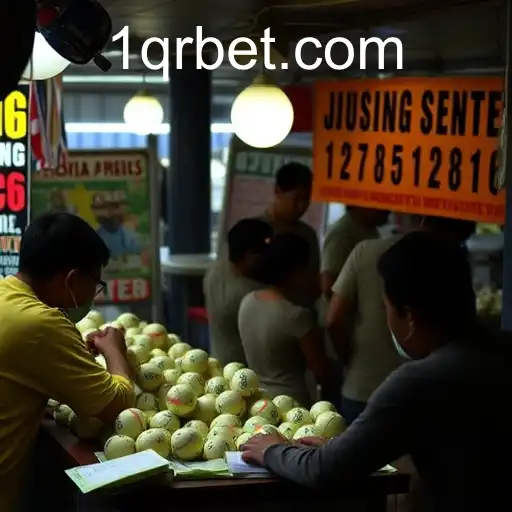
Jueteng operates in a straightforward manner. Participants place bets on a combination of two numbers ranging from 1 to 37. Bets are collected by local agents known as "kubradors," and the results are determined through a draw held multiple times a day. The winning numbers are drawn using balls similar to those used in bingo or table-top draws. This makes the game not only accessible but also relatable to the masses.
The Socioeconomic Impact of Jueteng
The widespread participation in Jueteng has significant implications for the Philippine economy. In many underdeveloped areas, where income opportunities are limited, Jueteng serves as a supplementary source of income for both bettors and those involved in its operation. On one hand, it provides quick financial gain and on the other, it perpetuates a cycle of gambling dependency. This cycle is particularly detrimental in impoverished communities where gambling can overshadow daily necessities.
Jueteng and Poverty
The game is often intertwined with poverty issues in the country. For many, the potential of winning a small fortune is a strong motivator, often seen as the most viable escape from financial distress. Unfortunately, this facade of hope often leads to recurrent losses, deepening poverty and reducing the economic mobility of individuals and families.
Political Connections and Corruption
Jueteng is not just a game; it is a complex network involving various stakeholders, from small-time bet collectors to high-ranking officials. Often dubbed "the king's game," it wields significant political influence since operators typically need protection from prosecution. This protection is typically granted by influential political figures in exchange for monetary incentives, campaign funding, or political favors.
The suggestion of corruption among law enforcement and government officials involved in protecting Jueteng operations is a dark cloud over efforts to eradicate it. This complicity makes it challenging to dismantle the phenomenon, as those tasked with enforcement are often part of the network profiting from the illegal game.
Regulatory Challenges and Attempts to Legalize
Historically, various administrations have attempted to stamp out Jueteng through strict enforcement and alternative legalized lottery systems. Despite these efforts, Jueteng remains resilient. One of the more controversial proposals has been to legalize the game, akin to how "Small Town Lottery" aims to offer a legal alternative with similar mechanics.
Legalization: A Double-Edged Sword?
The argument for legalization suggests potential government revenue and more stringent regulatory oversight. However, opponents argue that it could encourage broader gambling issues and normalize what many see as a societal scourge. As such, the debate over legalization is deeply polarizing and reflects broader societal divides over morality, economic necessity, and governance.
The Role of Technology: Online Gambling and QRBet PH Login
The advent of technology has introduced new dimensions to the issue. Online gambling platforms have started to capitalize on the inherent demand for betting, providing a digital space for such activities. Sites like QRBet PH highlight a growing trend where traditional gambling transcends physical boundaries and enters the online realm.
This shift to online platforms represents both a challenge and an opportunity. On one hand, there's increased accessibility to gambling, potentially worsening addiction issues. On the other, online platforms can be more easily regulated compared to scattered, live operators.
Conclusion
The persistence of Jueteng and its cultural significance reflect complex societal challenges that the Philippines must navigate. As the country attempts to balance tradition with modern-day regulation and enforcement, the road to a solution remains fraught with obstacles. Each step towards addressing Jueteng inevitably touches on broader issues of legality, morality, and socioeconomic structure.